
Eczema Treatment in Redmond WA
Eczema treatment Redmond WA adults can access at Hemlock Clinic begins with a careful evaluation of the rash, its timing, possible triggers, and signs that may point to infection, allergy, medication reaction, or another skin condition.
Dr. Manpreet Sran provides primary care evaluation, treatment, skin-care guidance, follow-up, and specialist referral when a condition needs dermatology or allergy expertise.
Adults Age 18+
In Person or Telehealth
Same-Week Visits May Be Available
Not Every Rash Is Eczema
A red, itchy, dry, painful, or spreading rash can have many causes. Hemlock Clinic starts by identifying the most likely diagnosis instead of treating every rash the same way.
Understand the Pattern
We review when the rash started, where it appeared, how it has changed, and whether itching, pain, fever, swelling, drainage, or other symptoms are present.
Choose the Appropriate Next Step
Based on the history and examination, Dr. Sran may recommend treatment, targeted outside testing, follow-up, or referral to dermatology or allergy and immunology.
Common Skin Concerns We Evaluate
Hemlock Clinic evaluates common adult skin concerns that are appropriate for primary care. A visit helps distinguish eczema and dermatitis from infections, hives, medication reactions, and other conditions that can look similar.
Eczema and atopic dermatitis
Contact or irritant dermatitis
Allergic rashes and hives
Itchy or dry skin
Fungal skin infections
Uncomplicated bacterial infections
Selected psoriasis-like rashes
Medication-related rashes

Looking at the Timing, Pattern, and Possible Triggers
The initial evaluation includes when the rash began, its location and spread, previous skin conditions, itching or pain, and any associated symptoms. The clinician also reviews new medications, soaps, detergents, cosmetics, plants, workplace exposures, travel, close contacts, allergies, and other possible triggers.
The appearance and distribution of the rash can help clarify whether the concern is more consistent with eczema, contact dermatitis, infection, hives, a medication reaction, or another condition. If a serious cause is suspected, the clinic coordinates specialty care or directs the patient to urgent or emergency evaluation.
In-Person or Telehealth? It Depends on the Rash
Some mild, clearly visible rashes may be appropriate for an initial telehealth visit, especially when good-quality photographs are available. Telehealth can help review symptoms, exposures, medications, and immediate next steps.
An In-Person Exam Is Preferred
In-person care is usually the better choice when the diagnosis is uncertain, the rash is severe or painful, infection is suspected, the eyes or mucosal areas are involved, or a hands-on examination is needed.
Testing Is Selected Only When It Can Clarify the Diagnosis
Many common rashes can be assessed through medical history and a skin examination. When additional information could change the diagnosis or treatment plan, Hemlock Clinic may coordinate outside laboratory testing or specialty evaluation.
The clinic does not routinely perform skin biopsy or specialized allergy testing onsite. Skin scraping, culture, biopsy, patch testing, and specialized allergy procedures may require dermatology, allergy and immunology, an outside laboratory, or another appropriate facility. Testing is chosen for a clinical reason rather than ordered as a routine panel for every rash.
Eczema Treatment in Redmond WA Based on the Likely Cause
Treatment depends on the likely diagnosis, severity, location, previous response, and individual health history. Not every option is appropriate for every patient.
Calm the Current Rash
Depending on the diagnosis, care may include moisturizers and barrier repair, topical or oral corticosteroids, antihistamines, antifungal treatment, treatment for suspected infection, or other prescription or nonprescription options.
Reduce Repeat Exposure
When an irritant or allergen is suspected, the plan may include stopping a new product or medication only under appropriate medical guidance, avoiding the exposure, simplifying skin-care products, and monitoring whether the rash improves.
Daily Skin Care Can Help Reduce Future Flares
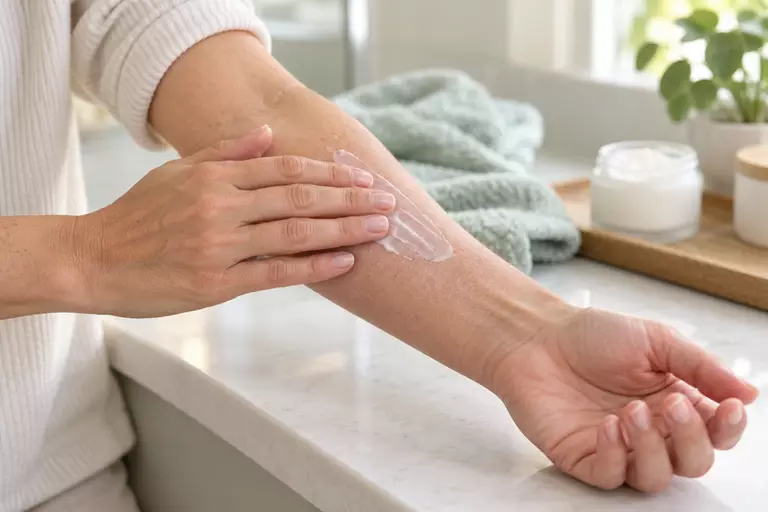
For eczema and common dermatitis, daily habits can be an important part of long-term management. Patients may receive guidance on gentle bathing, fragrance-free products, regular moisturizing, barrier protection, trigger awareness, and correct use of topical medications.
Moisturizer is often most useful when applied consistently, especially after bathing and whenever skin feels dry. The exact product and frequency should fit the patient’s skin, sensitivities, and treatment plan.
What to Expect at Your First Appointment
A typical first visit is approximately 30 to 40 minutes. Bring a current medication list, photos showing how the rash has changed, and a list or photos of new skin products when available.
Tell the story
Review onset, symptoms, spread, exposures, products, medications, travel, contacts, and previous treatments.
Examine the skin
Assess the appearance, distribution, severity, and signs of infection or another concerning cause.
Discuss the likely cause
Explain what the findings suggest and whether testing or specialist input could be useful.
Create a plan
Review treatment, skin-care instructions, follow-up, warning signs, and referral when needed.
Ongoing Management for Common Eczema and Dermatitis
Hemlock Clinic can provide initial evaluation and ongoing management for common eczema and dermatitis while the condition remains appropriate for primary care. Follow-up may review symptom improvement, skin barrier care, treatment response, medication use, side effects, and whether the diagnosis still fits the clinical course.
Persistent, severe, recurrent, or difficult-to-control disease may need dermatology support. Results and follow-up instructions are generally communicated through the patient portal or by phone, supporting continuity with the same primary care clinician over time.

When Dermatology or Allergy Referral Is Appropriate
Referral may be appropriate when the diagnosis is unclear, the rash is severe or recurrent, standard treatment is not working, biopsy or patch testing is needed, a serious allergy is suspected, or advanced topical, injectable, phototherapy, or systemic treatment may be required.
Suspected skin cancer, rapidly progressive blistering disorders, extensive treatment-resistant psoriasis or eczema, and complex autoimmune or allergic skin disease are outside routine primary care scope. Hemlock Clinic can coordinate referrals through the clinic’s electronic health record.
Do Not Wait for a Routine Appointment
Seek urgent or emergency evaluation for difficulty breathing; facial or throat swelling; widespread blistering or skin peeling; a rapidly spreading painful rash; rash with high fever or severe illness; signs of a serious infection; or a rash involving the eyes or significant mucosal areas.
Website information cannot determine the cause or urgency of an individual rash and does not replace emergency care.
Physician-Led Skin Care With Continuity Over Time
Dr. Manpreet Sran, MD is Board Certified in Internal Medicine and provides adult primary care at Hemlock Clinic. The family-owned, independently operated clinic emphasizes direct physician involvement, longer appointments when needed, and continuity with the same provider over time.
Care is culturally inclusive, with communication available in English, Hindi, Punjabi, Gujarati, Telugu, and Spanish. Final medical content is reviewed for accuracy before publication.

Plan Your Visit
Hemlock Clinic accepts Premera, Anthem, Blue Cross Blue Shield, Aetna, Cigna, UnitedHealthcare, and Regence. Coverage and patient responsibility vary by plan, so contact your insurer for exact benefits.
For patients without insurance or choosing not to use insurance, the listed self-pay fee is $250 for an initial physician visit and $150 for a follow-up visit. Outside laboratory, specialist, pharmacy, or facility charges are separate.
Healow
Book online
Zocdoc
Book online
Call Us
Speak with our team
Eczema and Skin Rash FAQ
No. Eczema and common dermatitis are not contagious. Some infections and other rashes can spread between people, which is one reason an accurate diagnosis matters.
No. Allergies may contribute for some patients, but eczema can involve skin-barrier, immune, irritant, environmental, and other factors. Specialized allergy or patch testing is recommended only when clinically useful.
Topical corticosteroids can be effective when the correct medication, strength, location, amount, and duration are selected. The clinician explains how to use them and when to stop or follow up.
Frequency depends on skin dryness and the treatment plan. Regular use, especially after bathing and whenever skin feels dry, is commonly helpful for barrier care.
Some mild, clearly visible rashes may be appropriate for an initial telehealth visit when good photos are available. In-person care is preferred when the diagnosis is uncertain, symptoms are severe, or infection is possible.
Referral may be appropriate for an unclear, severe, recurrent, or treatment-resistant rash; suspected skin cancer; need for biopsy or patch testing; or when advanced dermatology treatment is being considered.
Get the Right Next Step for an Adult Skin Concern
Schedule a physician-led eczema or skin rash evaluation at Hemlock Clinic in Redmond, Washington.
17875 Redmond Way, Suite 140, Redmond, WA 98052
Adult Primary Care
Evaluation, treatment, follow-up, and referral when needed
